 Good Life Insurance
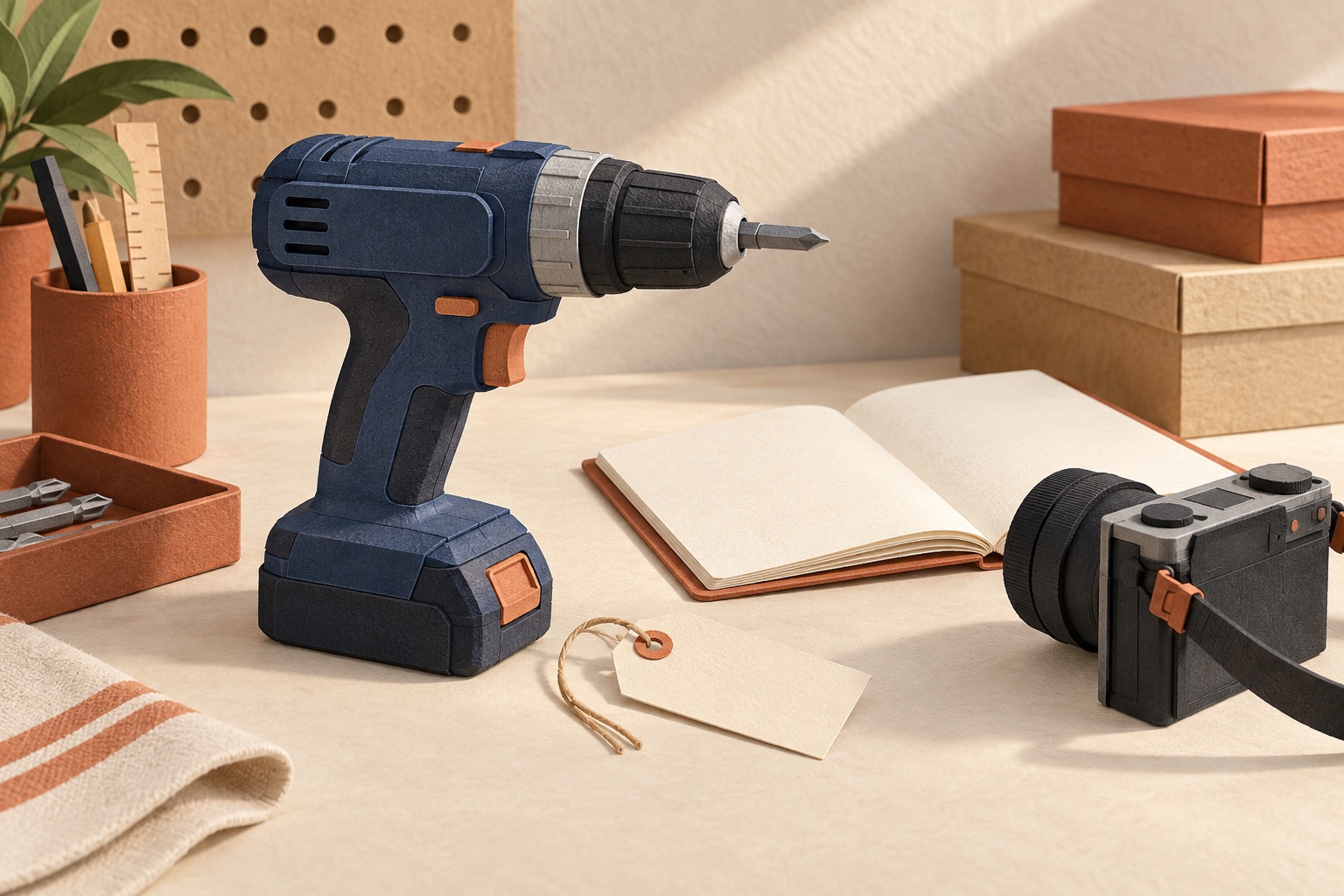
A picture of a drill tells you what it looks like. It may not tell you which drill it is, who owns it or which receipt belongs with it. For contractors with similar tools moving between a shop, a truck and a job, that distinction matters.
A useful equipment record connects the photograph to the facts you can confirm. You do not need an elaborate system. Start with one tool and create a record another person could understand without guessing.
Take an identifying photo, not just a group photo
The Travelers Institute's 2016 Insurance Essentials Guide recommends pictures of important individual items, labeled with descriptions, where they were bought, and make, model and serial numbers. Its general inventory advice applies to preparing records for a home or business. Travelers Institute guide, printed page 13.
For your own equipment record, an overall photo and a readable close view of the manufacturer's identification label can serve different purposes. The first helps you recognize the tool. The second helps you connect the tool to its identifying information. This photo pairing is a practical organizing suggestion, not a required insurer format.
Photograph only when it is safe to do so. Do not operate, disassemble or move equipment into an unsafe position just to capture a label. If the label cannot be read safely, note that limitation and ask the manufacturer or seller how to identify the item another way.
Give the record a name you can follow
Suppose you own two similar drills. A folder called Drill might become confusing. A simple internal label such as Drill A can connect the overview photo, label photo and available receipt. Keep that internal label separate from the manufacturer's actual model and serial number.
In a short note, record the description, identifying details you can read and where the supporting document is saved. Mark missing details as unknown. Do not create a serial number, purchase date or price to fill an empty field.
The example is fictional. Choose a naming system that works for your business and keep it consistent when someone else helps maintain the record.
Separate ownership from possession
A tool sitting in your truck is not necessarily a tool your business owns. In your working record, distinguish owned items from leased, rented or borrowed equipment. Keep the relevant receipt or agreement connected to the entry when available.
That distinction prepares a better conversation. It does not establish which policy responds to a loss or who is responsible under a contract. Ask your agent what documents are needed to review the specific equipment and arrangement.
Make a separate questions list about where the equipment is used, where it is stored and whether those facts have changed. Do not assume that adding an item to your list adds or changes insurance.
Keep identifying details private
Equipment photographs can reveal more than the tool. Check the background for customer addresses, job documents, access codes and other private information before sharing a picture. Keep the working equipment record in restricted storage, with a backup your business can access.
Do not post serial numbers, receipts, storage locations or an equipment list in social comments. If the agency needs records, ask which secure method to use. You can begin a conversation by describing the kind of equipment and the question without sending the whole folder.
Update the entry when the facts change
A record is easier to maintain when updating it is part of an ordinary business task. When you buy, sell, replace or return an item, review its entry. Preserve enough context to understand what changed rather than leaving an old photograph to stand in for current facts.
Before your next insurance conversation, open one entry yourself. Can you identify the item, understand its ownership and find the available supporting document? If not, fix that one entry first.
Good Life Insurance serves contractors in Clemmons and across the Triad. Use our website contact information to arrange a private conversation about the information needed for your equipment review.
Educational information only. An equipment record does not establish coverage, determine value or guarantee claim payment. Coverage depends on the applicable policy and circumstances. This article does not bind or change insurance.